


28 May 2026
Share on:


Every year on June 1st, World Milk Day highlights the importance of milk and dairy products in nutrition, agriculture and global food systems.
Milk remains one of the most consumed foods worldwide thanks to its nutritional value, versatility and role in daily diets across cultures. From fresh milk to cheese, yogurt and butter, dairy products continue to be essential for millions of people around the world.
What shapes the global dairy industry?
The global dairy industry is influenced not only by milk production volumes, but also by export power, import demand and participation in international trade.
Countries such as the United States, India, China, Germany and New Zealand play an important role in influencing global dairy markets through a combination of production scale, dairy exports, processing capacity and consumer demand.
Different regions contribute to the dairy industry in different ways. While some countries lead in milk production, others have a stronger influence on international dairy trade, dairy imports and global supply chains.
The growing demand for milk, cheese, yogurt and other dairy products continues to shape food systems and dairy markets around the world.
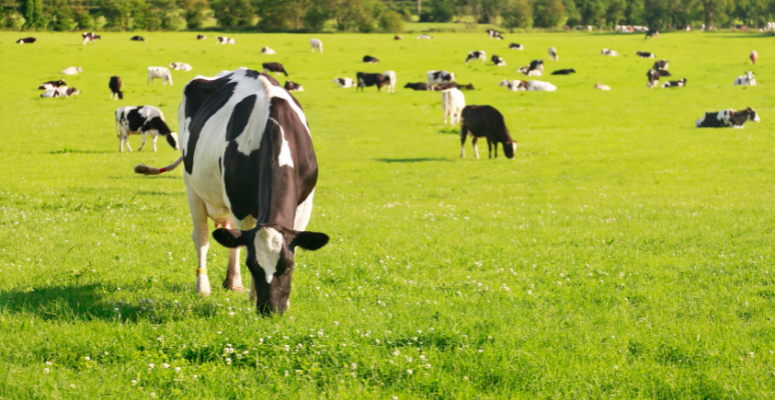
How is global dairy production evolving?
According to recent global dairy production trends, modern dairy production is increasingly driven by scale, technology and productivity improvements.
Why milk is one of the most nutritious foods
Milk is a natural source of protein, calcium, vitamins and essential nutrients that support balanced diets for children and adults alike.
Beyond nutrition, dairy products are also valued for their versatility. Around the world, milk is enjoyed in many different forms, including cheese, yogurt, butter, fermented dairy products and milk-based beverages.
The popularity of yogurt and fermented dairy products has also increased globally as consumers continue to look for nutritious and convenient food options.
Dairy products around the world