What are vector-borne diseases?
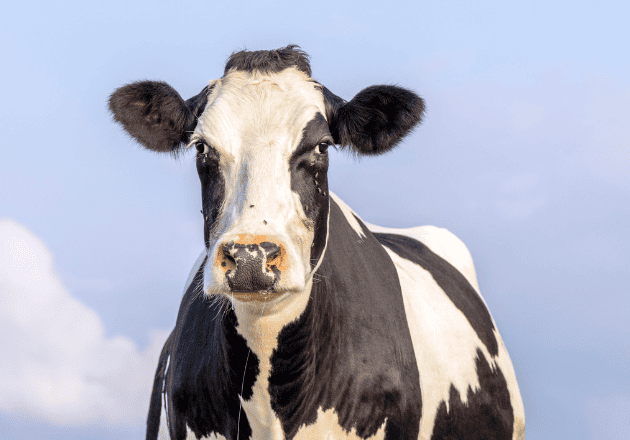
Vector-borne diseases are infectious diseases transmitted by vectors; mostly insects (mosquitoes, midges, flies) and acarians (ticks). For example, in Europe, the two main vector-borne diseases of ruminants are:
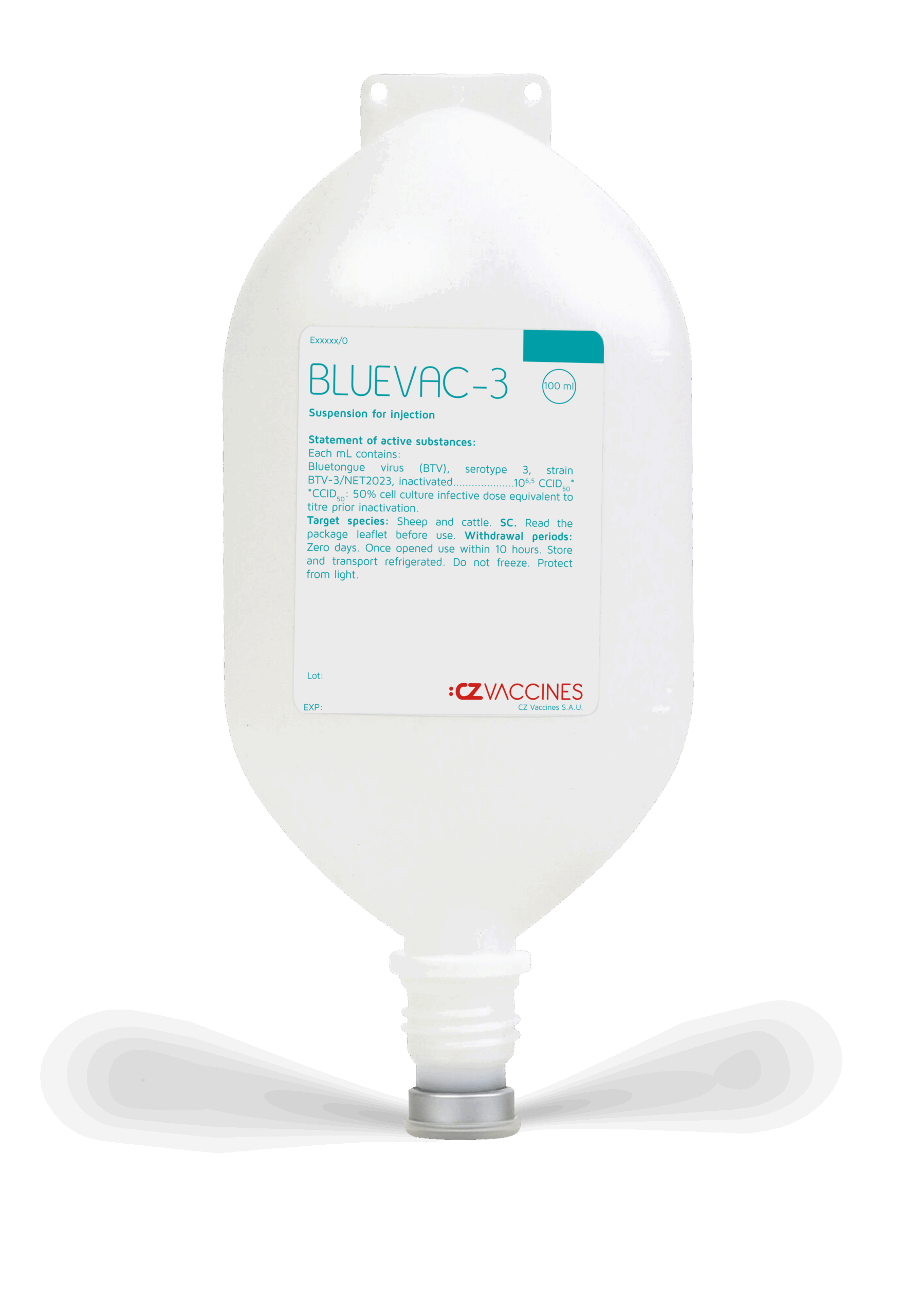
- Bluetongue, that can be caused by several serotypes of the Bluetongue virus (1, 3, 4 and 8, for the most important ones)
- Epizootic Haemorrhagic disease (EHD-8).
Both diseases are transmitted by midges (Culicoides). Therefore, the diseases’ incidence is highest during the period of vector activity, i.e., from early summer to late fall.
What are the consequences of vector-borne diseases for farms?

Clinical signs vary depending on the disease. In the case of Epizootic Haemorrhagic Disease, clinically affected cattle can present high fever, drooling, nasal discharge and, in severe cases, mouth ulcers and signs of respiratory distress. The most affected animals often stop eating and/or drinking.
Animal production is greatly reduced. On top of animal treatment costs, the economic impact can be very serious for the affected farms. Beyond animal health and welfare concerns, vector-borne diseases are responsible for major economic losses in infected farms.
How to control vector-borne diseases?
Because vector-borne diseases are transmitted by vectors, biosecurity measures are poorly efficient. Indeed, controlling insects movement is almost impossible. Furthermore, most of vector-borne diseases are viral; consequently, there is no specific treatment. Only supportive treatment can be used to relief the infected animal.
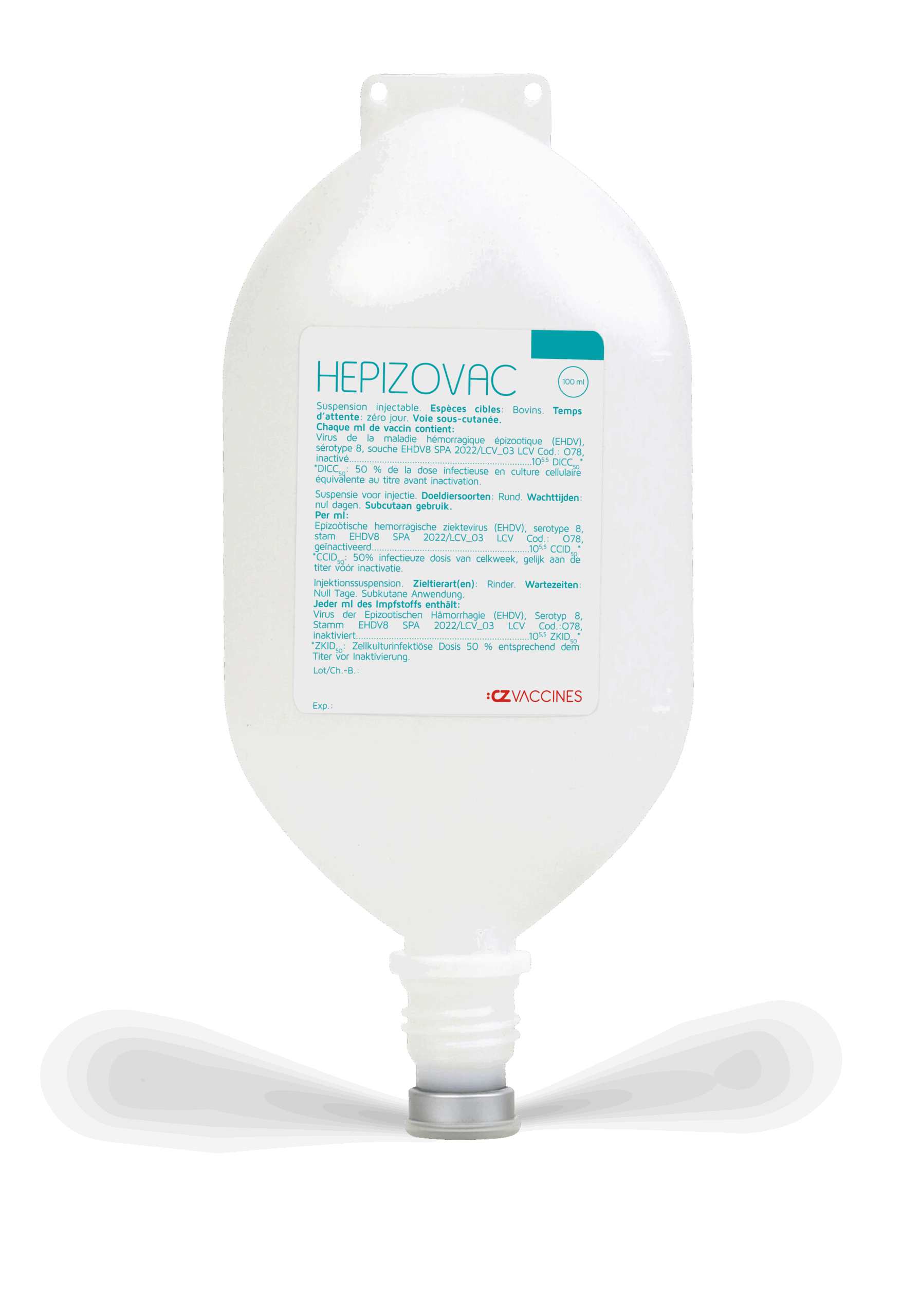
Prevention is essential to avoid animals contamination. Vaccination has been shown to be an effective control measure against Bluetongue and Epizootic Haemorrhagic Disease. Animals vaccinated with Hepizovac® are protected against viremia if bitten by an insect infected with the Epizootic Haemorrhagic Disease virus. This characteristic made vaccination with Hepizovac® a key measure to control the EHD outbreak in Portugal, Spain and France; or to prevent the onset of the disease in some countries such as Belgium, Luxembourg, Jersey and Guernsey Islands (UK).